Was the Wadden Sea a Myth in Denmark?
The Danish once called the Wadden Sea was a low-lying coastal area formed about 10,000 years ago after the last ice age when the ice covered most of Denmark.
As the ice melted, the water flowed westward, reached the coast and created new low-lying land from the silt, which ever since has taken a shape after the sea high and low tide.
Well, here is the area where this mythic sea covered for some years. However, while living in Denmark, I have not seen such sea. Some people I know even did not hear about it.
Nevertheless, this is the information I found in an open street exhibition in Aarhus, the ancient capital city of (Danmark) to write this page about it.
Most of the information about the Waden Sea is below the following photo, I shot from the air exhibition.
If you have heard about this sea people used to walk over its water, or if you have more information about this topic, please share it through the form and receive useful gifts for your contribution to the page.
Moreover, here are more pages about beautiful locations and attractions in Denmark and Greenland you can link to from Copenhagen, Ilulissat and Zackenberg. I have some useful gifts for you when you submit this form below.

Danish and foreign tourists used for many years in the past to flock to the Wadden Sea to take a "walking on water" and to experience the varied landscape of cliffs, swamps, sandy beaches and tidal mud flats, where the difference between low tide and high tide can be up to 1.8 metres.
Both wildlife plants and birds in the Wadden Sea area have adapted to both, the rise and fall of the sea level, as well as the changing salinity.
All this has created such a rich and diverse ecosystem, through which the Wadden Sea is considered one of the ten most important wetlands in the world.
The Wadden Sea was home to 100,000 shrimp, worms, snails and mussels at every square metre, which made it a pantry for more than 10 million migratory birds.
Geese, ducks, gulls, dunlins and aquatic birds arrived every autumn to spend the winters or to rest and build up their fat reserves before they began the long journey to their breeding areas.
The dynamic nature of the Wadden Sea landscape that is constantly being built up and broken down by the sea and wind might have been the rescue of the tidal flats.
It is expected that the new sediment deposits will keep pace with the rise in sea levels as global warming leads to such rising levels.
Only if sea levels rise more and faster than expected - as some scientists believe it will - there will not be enough sediment to build the new land. This would lead to flooding of an incomparable birds' landmark and unique landscape scenery.
Well, it is now not imaginary to expect that Denmark and most of south Sweden will drown and go inside the water in the future. The science now reveals what Quran has mentioned about the Baltic and the North Sea.
If you wonder about this, read translations of the Quran about this matter, or ask me to refer you to the Sura of Quran that mentioned the majesty of God, who keeps the Baltic and the North Sea meet without problems, at least until now.
In addition to this page about The Wadden Sea in Denmark or Danmark in Danish, here are some pages about other places in Denmark and Greenland. Copenhagen, Ilulissat and Zackenberg. However, you can link to other beautiful sites in the world from the alphabetical categories on the Beautiful Site Map.
Have you heard about the Wadden Sea? Are you living in Denmark or Greenland? Please use the following form to write what you know about any beautiful place on those lands. I have some useful gifts for you when you finish submitting this form. Thanks so much.
PLEASE BE ASSURED, no one of the commentators will capture your email address. It is only that the system that will send you notifications about replies to your comments, as this process is automated. Thanks to SBI 2.0 for offering the Web 2.0 strong tools and making nice visitors like you comment and share throughout the Web 2.0.
Have A Great Story About Some Beautiful Sites in the World?
Do you have a great story about any beautiful site in the world? Share it!
Search for any information about the Wadden Sea, or search inside Denmark (Danmark) and Greenland!
You can also enjoy more activities here indeed if you liked this page about the Wadden Sea in Denmark (Danmark).
Please share it with your services through the buttons here, at the left column of the page and at the bottom of the page.
This could be also additional value to you, as you could experience some social networking technologies and know more. Click on "Enjoy this page? Please pay it forward" at the bottom to know how to link to the website.
I use "Solo Build It" tools at the bar below to empower this page about the Wadden Sea in Denmark (Danmark) and the entire 100 Beautiful Sites in the World. Thanks to those strong website building and optimizing tools.
Home| 100 Beautiful Sites Blog| Beautiful Site Map| Beautiful Scene Newsletter| 350| Altai Mountains| Amman| Archipelago Sea| Arctic Ocean| Battery| Bayan Olgii| Bay of Plenty| Beijing| Bering Sea| Big Sur| Boreal Forest| Borneo| Cape Floral Region| Caracas| Caribbean Sea Turtles| Chacaltaya| Chicago| Congo River Basin| Copenhagen| County Meath| Dalarna| Franz Josef Glacier| Ganges Delta| Gondar| Great Barrier Reef| Herschel Island| Hudson Bay| Ilulissat| Indus River| Kakadu| Kalahari Desert| Kauai| Kilimanjaro| Komodo Island| Kordofan| Lake Baikal| Lake Chad| Lilongwe| Madagascar| Mergui Archipelago| Mississippi River| Monteverde Cloud Forest| Naukluft Park| Niger Delta| Norwegian Tundra| Nunavut| Okavango Delta| Olympia| Panama Canal| Paris| Perth| Quelccaya Ice Cap| Recife| Rio de la Plata| Ross Ice Shelf| Rotterdam| Rub al-Khali| Sagarmatha National Park| Saint Louis| Serengeti| Siberia| Solomon Islands| Sulu Sulawesi Sea| Thames| Tian Shan| Timbuktu| Tokyo| Trinidad| Tuvalu| Upper Po Valley| Valdes Peninsula| Vavau| Venice| Wadden Sea| Yamal Peninsula| Yangtze River| Zackenberg| Zahara de la Sierra|
Recent Articles


-
The Amazon Rainforest Makes the Nature Rich and the Life Beautiful!
Apr 09, 21 12:45 PM
Amazon Rainforest is one of the beautiful forests in the world. However, the absence of conservation, human consumption and climate changes could decrease up to 85% of the Amazon rainforest by 2150. -
Copenhagen Climate March Must Save the Earth!
Apr 10, 20 06:06 AM
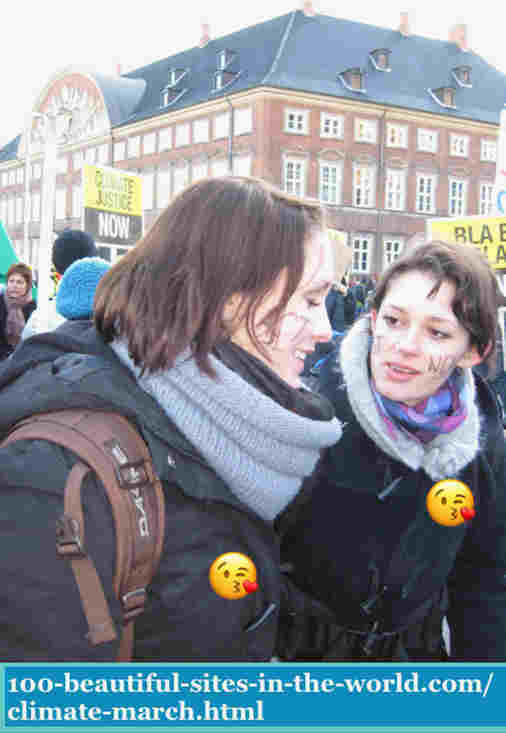 The Climate March in Copenhagen has attracted many environmental activists to support each other & influence the political leaders to act now & save our world.
 -
Was the Climate Demonstration A Result of Pseudo Democracies?
Apr 09, 20 06:45 AM
 The Climate Demonstration in Copenhagen showed the leaders in Copenhagen Climate Conference the power of the people to take care & solve the problems they make.